
Coweta’s Top 5 Historic Events
Written by LISA GENTRY | Photos courtesy of NEWNAN-COWETA HISTORY CENTER
As America celebrates its 250th anniversary, local history offers a powerful reminder that the nation’s story is built one community at a time. At the Newnan-Coweta History Center, Executive Director Larisa Scott is dedicated to preserving the personal histories, places and events that helped shape Coweta County.
“You cannot convince me that Coweta County doesn’t have an above-average number of stories worth telling,” Scott says. “Preserving those stories and sharing them with future generations is at the heart of everything we do.”
These stories reveal a community shaped by perseverance, innovation, courage and an enduring commitment to preserving its past for future generations, according to Scott. When asked which stories stand above the rest, she points to five defining moments that continue to influence the community today:
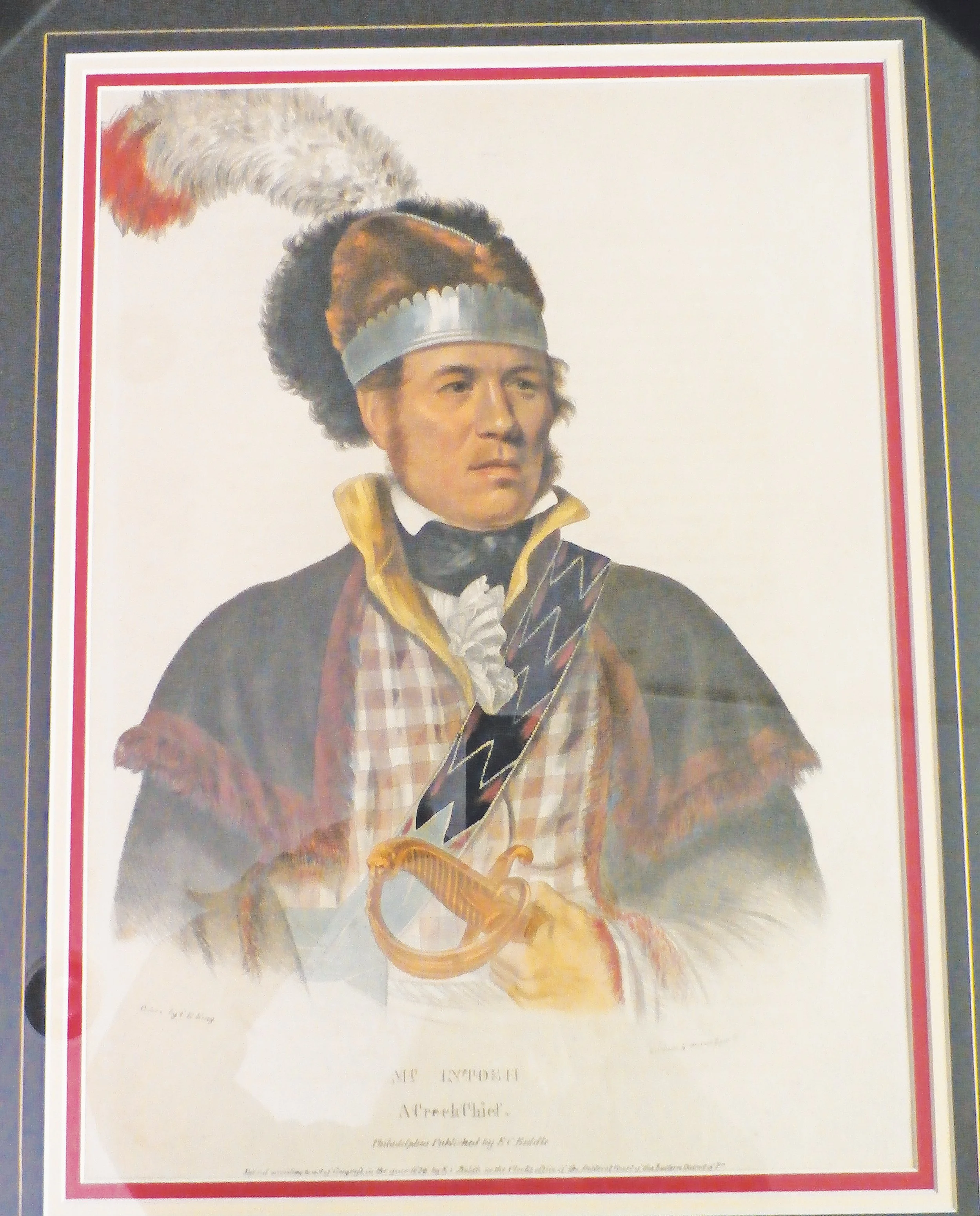
Chief McIntosh
1. The story of Coweta County begins in 1826 with Creek leader William McIntosh and the Treaty of Indian Springs. The treaty opened Creek lands to settlement and led to Georgia’s land lottery system, allowing many of the county’s earliest settlers to acquire large tracts of land they could cultivate, build upon, and call their own. While it remains a complex chapter in history, the land lottery played a pivotal role in establishing the families and communities that would shape Coweta County for generations.
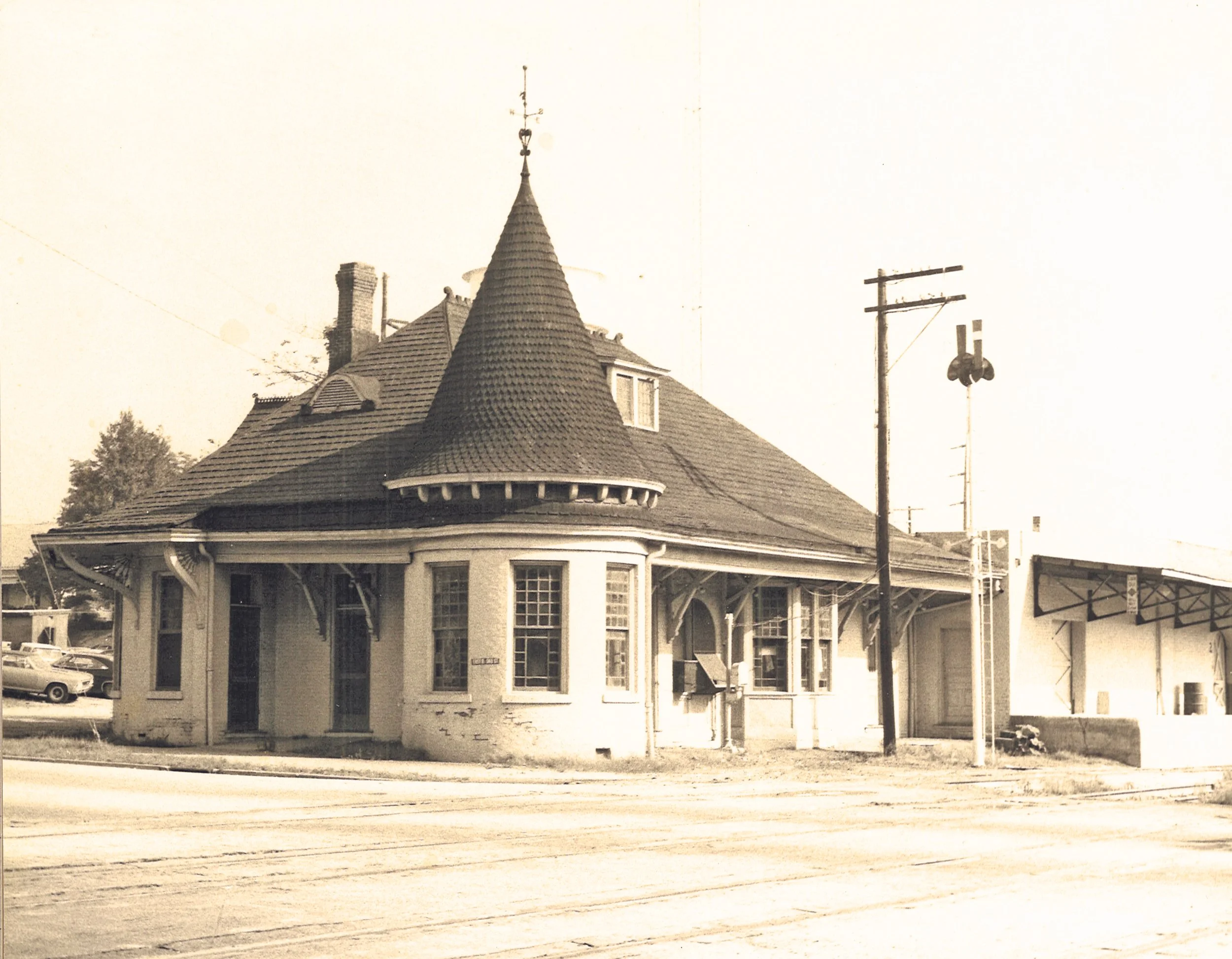
2. Another transformative moment came with the arrival of the railroad in 1851. More than simply a new means of transportation, the railroad connected Coweta County to larger markets and opportunities. Local goods and resources could now be transported throughout the region and beyond, helping transform the county into a thriving center of commerce and industry. The railroad’s impact can still be seen today in the growth and prosperity it helped create.
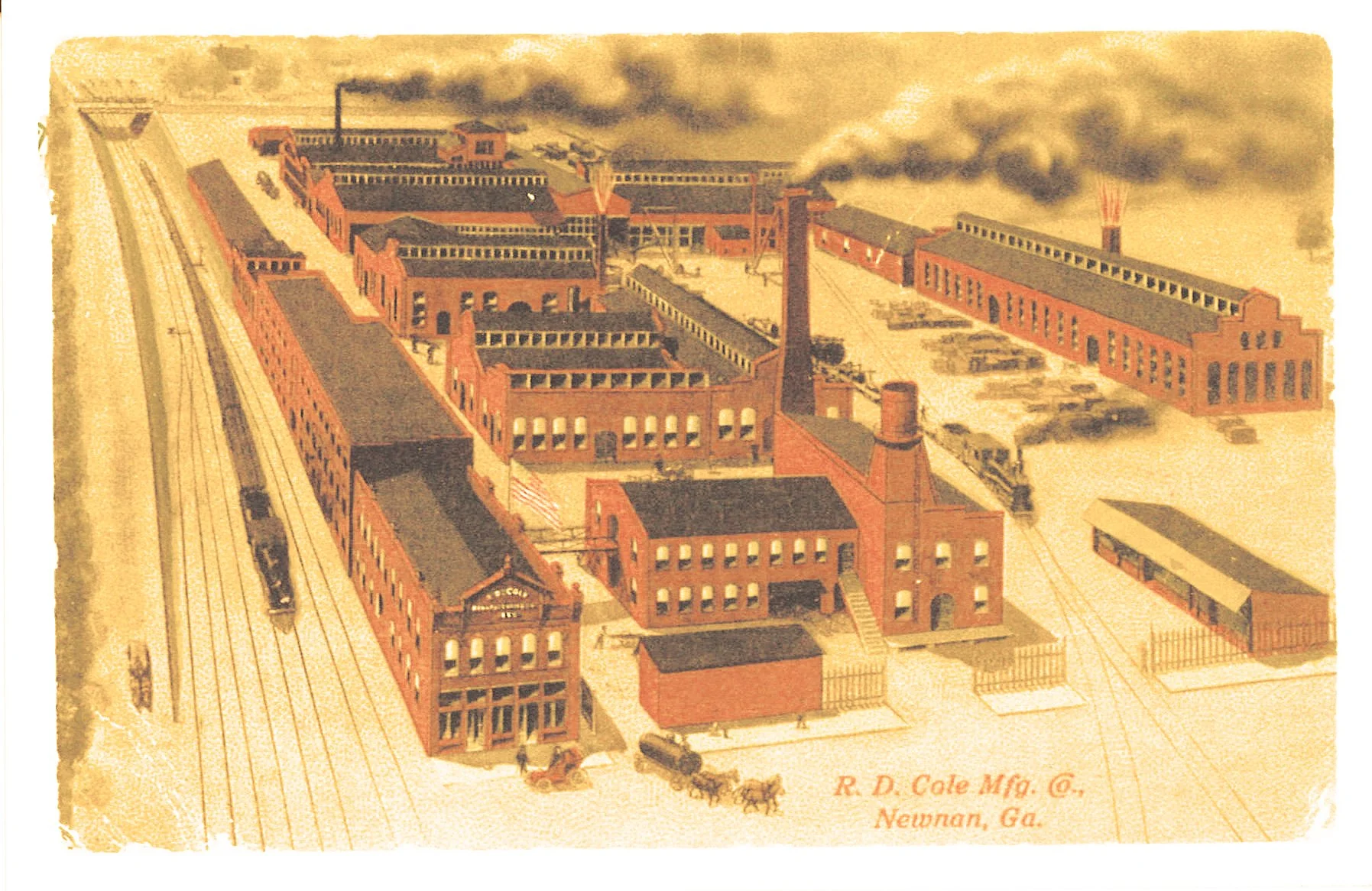
3. Coweta County’s history is equally defined by its spirit of innovation and industry. Powered by the Chattahoochee River and strengthened by the railroad, local mills produced blankets, hosiery, socks and other textile goods that helped drive the area's economy. R.D. Cole Manufacturing, established in 1854, became one of Coweta's most notable industrial success stories, growing from the production of wagon parts into a company that manufactured tanks, water towers and other products distributed across the nation. The entrepreneurial spirit that fueled those industries continues to characterize the community.
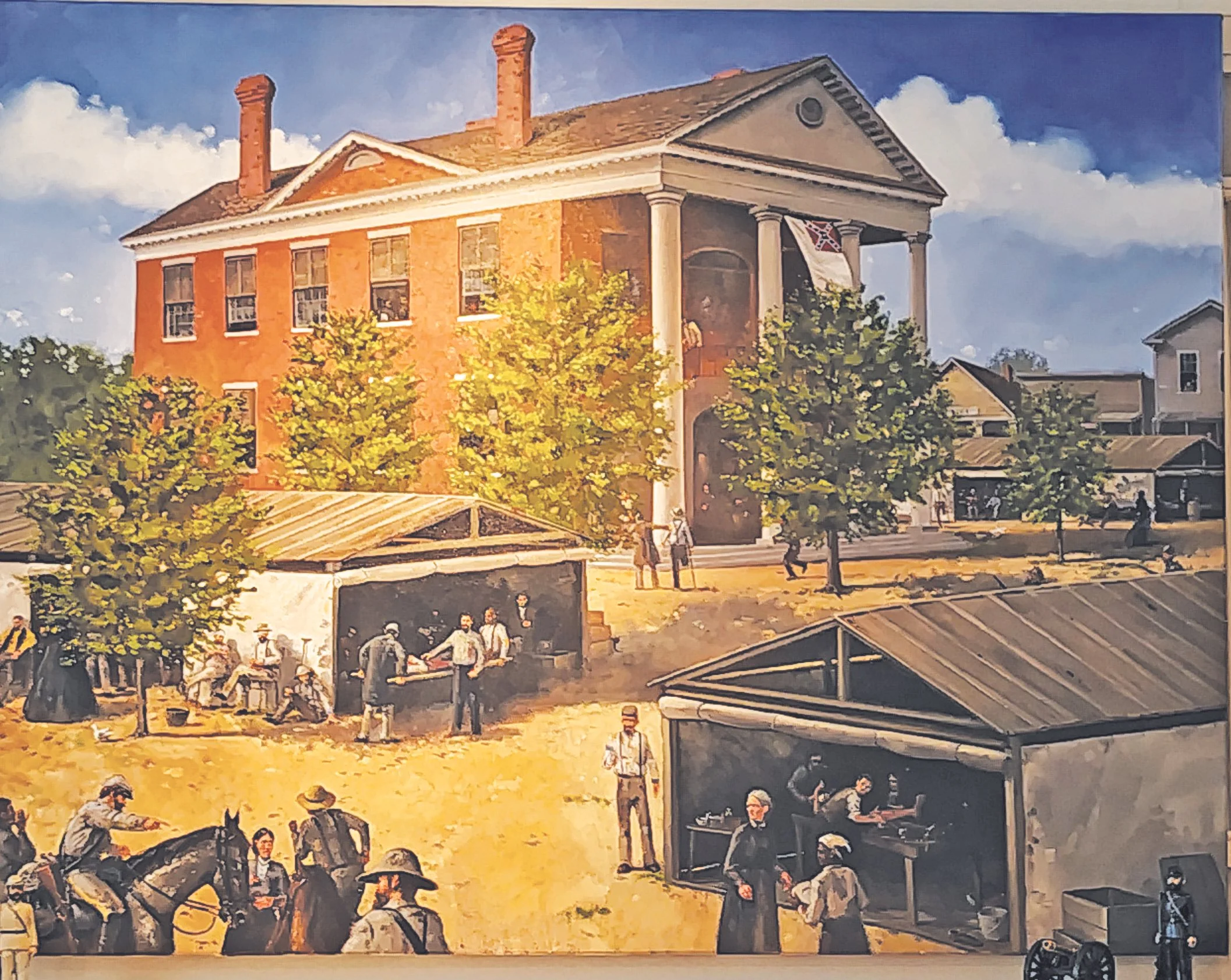
4. Newnan’s role during the Civil War remains one of the county’s most significant historical distinctions. Known as “Hospital City,” Newnan cared for more than 10,000 wounded and sick soldiers between 1862 and 1865. Seven Confederate hospitals operated throughout the community, making the city an important medical center during the war. Oak Hill Cemetery’s Confederate section, where 269 soldiers are buried, stands as a lasting reminder of that service and sacrifice. Closely tied to this chapter is the Battle of Brown’s Mill, a Confederate victory that remains one of the area’s most notable Civil War engagements and an important part of local history.
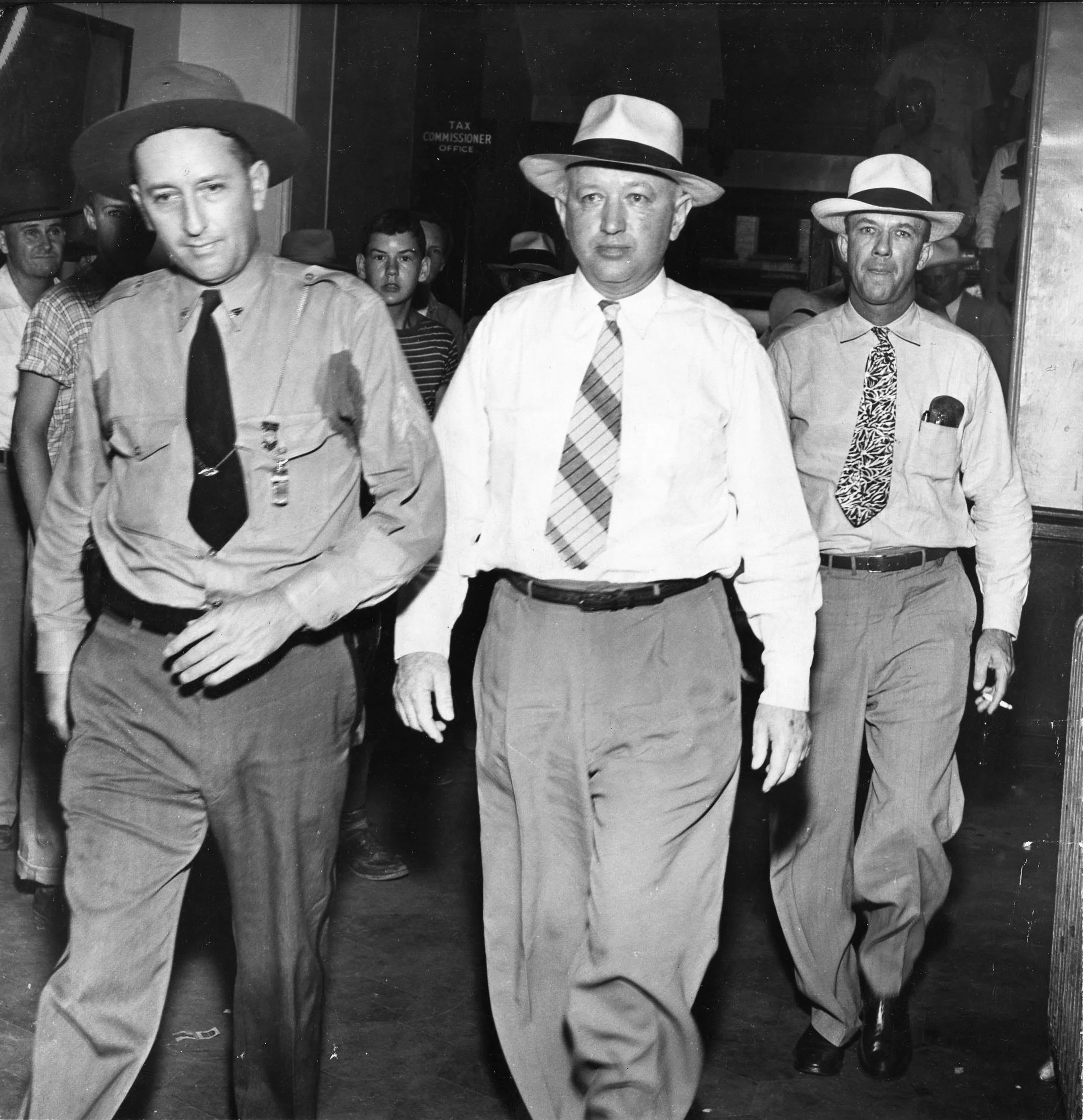
5. No discussion of local history would be complete without mentioning “Murder in Coweta County.” Chronicled by author Margaret Anne Barnes, the true-crime story became one of Georgia’s most famous cases. Exploring themes of justice, race relations and power during the Jim Crow era, the case centered on Sheriff Lamar Potts, whose determination ensured John Wallace would be held accountable for the murder of a farmhand. Decades later, the story continues to captivate readers and remains one of Coweta's most compelling historical accounts.
